
"seasonal coffee processing"
7000 article(s) found

Processing method of taste characteristics of story hand-made flavor description in Kenyan coffee bean producing area
Kenya Coffee Bean Flavor description Taste Variety characteristics treatment Manor introduction Kenyan coffee varieties were first brought to Kenya to grow in Bourbon bourbon. In the 1950s, the then agricultural research institution Scott Laboratory made unremitting efforts to select two excellent hybrids, SL-28 and SL-34, subverting the long-standing artificial breeding.

Soft and silky Colombia Nalinglong Fine Coffee Bean Planting Location Climate Elevation
Colombia coffee is the first coffee produced in Medellin, both in terms of yield and texture. It is characterized by full coffee beans, rich nutrition, moderate acidity, good balance, rich aroma and soft and smooth taste. Apart from Medellin, Armenia and Manizales, the capital cities of two neighboring provinces in the south, are also famous coffee producing areas.
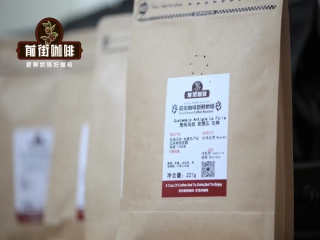
Which coffee producing areas are there? an introduction to Guatemala's boutique coffee bean producing areas. Why does it have a unique smoky smell?
Guatemala is a famous producer of high-quality Arabica coffee in Central America. Its unique geographical conditions make it a special presence in coffee cultivation and coffee bean flavor. Among the many coffee flavors, smoke has always been considered to be a defective taste. But Guatemalan coffee beans have a smoky smell in the end.

Characteristics of Coffee Producing Areas in Guatemala
Photograph/Compilation: Huang Wei Copyright Guatemala is a famous high-quality Arabica coffee producing country in Central America. The coffee from five volcanic producing areas and three non-volcanic producing areas is very unique and enjoys a high reputation in the international market. Eduardo Ambrocio of Guatemala Coffee introduced Guatemala coffee to the audience at SCAA Houston in April 2010. Thank you very much.

The authentic Arusha Coffee Estate in Tanzania Flavor Description Taste Introduction
Rainfall types are divided into bimodal distribution and unimodal distribution. The areas with bi-modal rainfall distribution include the provinces around Lake Victoria Basin, the northeast highlands, the coast and the northeast inland. The bi-modal rainfall distribution area is characterized by two long and short rainy seasons. The short rainy season occurs from September to December, and the total rainfall can reach 200-500 mm. The long rainy season occurs from March to May.

Basic knowledge of coffee beans with coffee characteristics in eight major producing areas of Guatemala
Guatemala is a famous producer of high-quality Arabica coffee in Central America. Coffee from five volcanic and three non-volcanic producing areas is very unique and enjoys a high reputation in the international market. Mr. EduardoAmbrocio of the Guatemalan Coffee Company introduced Guatemalan coffee to the audience at the SCAA Houston show in April 2010. 1. Alcatraguo Valley (AcatenangoValley)

Coffee hand-brewing parameters of El Ranch Blue Bridge Manor in San Agustin San Austin, Colombia
Professional coffee knowledge exchange more coffee bean information please follow the coffee workshop (Wechat official account cafe_style) about Colombian coffee growing areas and harvest season Colombian coffee cultivation is distributed along the Andes Mountains, from south to north, roughly divided into northern producing areas (green), central producing areas (orange, purple) and southern producing areas (yellow), in which orange

Sunburn Yega Xuefei all Red Fruit Helios Coffee hand Powder Water ratio recommended _ Solar Yega cooking suggestion
Professional coffee knowledge exchange more coffee bean information please follow the coffee workshop (Wechat official account cafe_style) 2018 new production season Ethiopia Jose processing station all red fruit sun Yega Sheffield coffee G1 origin. Yirgacheffe,Gedeo Zone,SNNP,Ethiopia processing plant. Garse Station altitude. 2050m bean seed. Ethiopia Heirloom / Ethiopia

Kenya Kasawa small Farmers Cooperative Information introduction Kenya AB is not worse than Kenya AA
For professional baristas, please follow the coffee workshop (Wechat cafe_style) Kenya AB Kathakwa in Kenya in 2017, where production continues to decline, raw bean prices soar and there are few winners in 2017! The team was stationed in Kenya for about a week during the main production season at the beginning of the year, continued to test more than 100 batches of samples, and finally selected 12 batches for introduction. This selected AB comes from Casa.

Malaba coffee grown in southern Rwanda Lutechiro, Western Province
Maraba coffee is grown in southern Rwanda, about 12 km (7 mi) from Butare and 150 km (93 mi) from the capital, Gigali. The project began in the Malaba area of Butare province, but was succeeded by local government organizations in 2006, and the area is now part of the Huye region of Southern province. Due to its proximity to the Great Rift Valley and the Nunwe Forest Mountains, the terrain of this zone
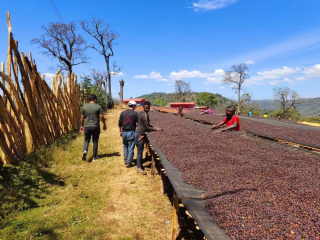
The Story of Sakui Coffee beans the characteristics of Ethiopian Sida Mohambela Coffee 6.0 Coffee in the New season
Professional coffee knowledge exchange more coffee bean information please follow the coffee workshop (Wechat official account cafe_style) EthiopianSidamoShakissoNatural Sakuran name: Ethiopia Sunshine Sidamo G1 Sakuran EthiopianSid

Malaba Coffee from Coffee producing areas in Southern Rwanda
Grows in southern Rwanda, about 12 km (7 miles) from the city of Butare and 150 km (93 miles) from the capital, Gejali. The plan began in the Malaba area of Butare province, but was taken over by a local government organization in 2006, which is now part of the Huye district of the southern province. Due to its proximity to the East African Rift Valley and the Neuenway Forest Mountains, the terrain is sloping and steep.

Characteristics of Coffee from Eight Major Producing Areas in Guatemala
Photograph/Compilation: Huang Wei Copyright Guatemala is a famous high-quality Arabica coffee producing country in Central America. The coffee from five volcanic producing areas and three non-volcanic producing areas is very unique and enjoys a high reputation in the international market. Eduardo Ambrocio of Guatemala Coffee introduced Guatemala coffee to the audience at SCAA Houston in April 2010. Thank you very much.

Introduction of Rwanda Coffee varieties Malaba Coffee Chimeier Manor
The biggest harvest season for Rwandan coffee is during the main rainy season, from March to the end of May. During the harvest season, farmers spend most of their day picking coffee fruits by hand. In the afternoon, farmers carry coffee fruits in traditional baskets made of banana leaves to a cleaning station a few hours away. The mechanic uses his hands to make the best quality coffee with crimson color.
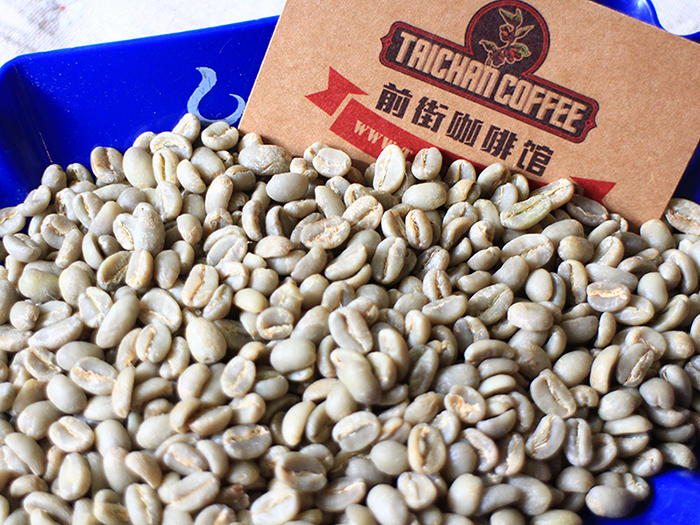
Raw bean wholesale price Kenya AA grade coffee raw bean home Tuji processing plant washing treatment 2016 new season
Kenya, located in East Africa, is one of the major coffee producing countries. More than 6 million people in the country are engaged in the coffee industry, mostly in the form of a combination of small farmers and cooperatives. Coffee trees in Kenya are mostly planted at 1400-2000 meters above sea level, and the growing areas include Ruiri,Thika, Kirinyaga, Mt.KenyaWest, Nyeri, Kiambu and Muranga. With Mt.Kenya and Aberdare

Kenya Coffee Origin list of Kenya Coffee Manors
Professional coffee knowledge exchange more coffee bean information please follow the coffee workshop (Wechat official account cafe_style) Kenya, the full name of the Republic of Kenya, is located in eastern Africa, the equator runs across the central part of the East African Rift Valley across the north and south. It is bordered by Somalia to the east, Tanzania to the south, Uganda to the west, Ethiopia and Sudan to the north, and the Indian Ocean to the southeast. Multiple plateaus in the territory, average

Detailed introduction of boutique 90 + coffee, origin of 90 + boutique coffee
Following Cafe Review (Wechat official account vdailycom) found that Beautiful Cafe opened a small shop of its own, 90 + Ninety Plus Coffee, a boutique coffee trader from the United States, its pursuit of ultimate flavor is amazing, so it has been only five or six years since it was established, it has already made the coffee industry all over the world aware of the name. NinetyPlus, literally translated as 90 years, means this family year.

Introduction to the characteristics of high-quality Costa Rican boutique coffee flavor and taste manor
Costa Rica is located in the volcanic belt of the low latitudes of Central America, with the central plateau and mountains about 800 to 2000 meters above sea level. The climate here has two obvious dry and wet seasons. The harvest period is from November to March of the following year, which coincides with the dry season, and coffee fruits of high quality and consistent maturity can be harvested. The dry season also provides sunshine conditions for the sun treatment, in the rainy season.

Introduction of grinding scale for flavor and taste description of small grain Huakui coffee beans in Humbela, Ethiopia
Description of the Flavor of Solar Coffee beans in Humbera Manor in Ethiopia the taste of the grinding scale production area introduces that Ethiopia is located in the tropics, but the temperature is uneven in different places due to the large difference in latitude span and altitude. The heavy rainy season is from June to September, the dry season is from October to January, and the light rainy season is from February to May. Due to uneven rainfall in different seasons and regions, local drought is easy to occur. The temperature range is

Characteristics of Coffee in eight producing areas of Guatemala
Photo / compilation: Huang Wei copyright Guatemala is a famous high-quality Arabica coffee producer in Central America. Coffee from five volcanic and three non-volcanic producing areas is very unique and enjoys a high reputation in the international market. Mr. EduardoAmbrocio of the Guatemalan Coffee Company introduced Guatemalan coffee to the audience at the SCAA Houston show in April 2010. Thank you, Ambroci.